
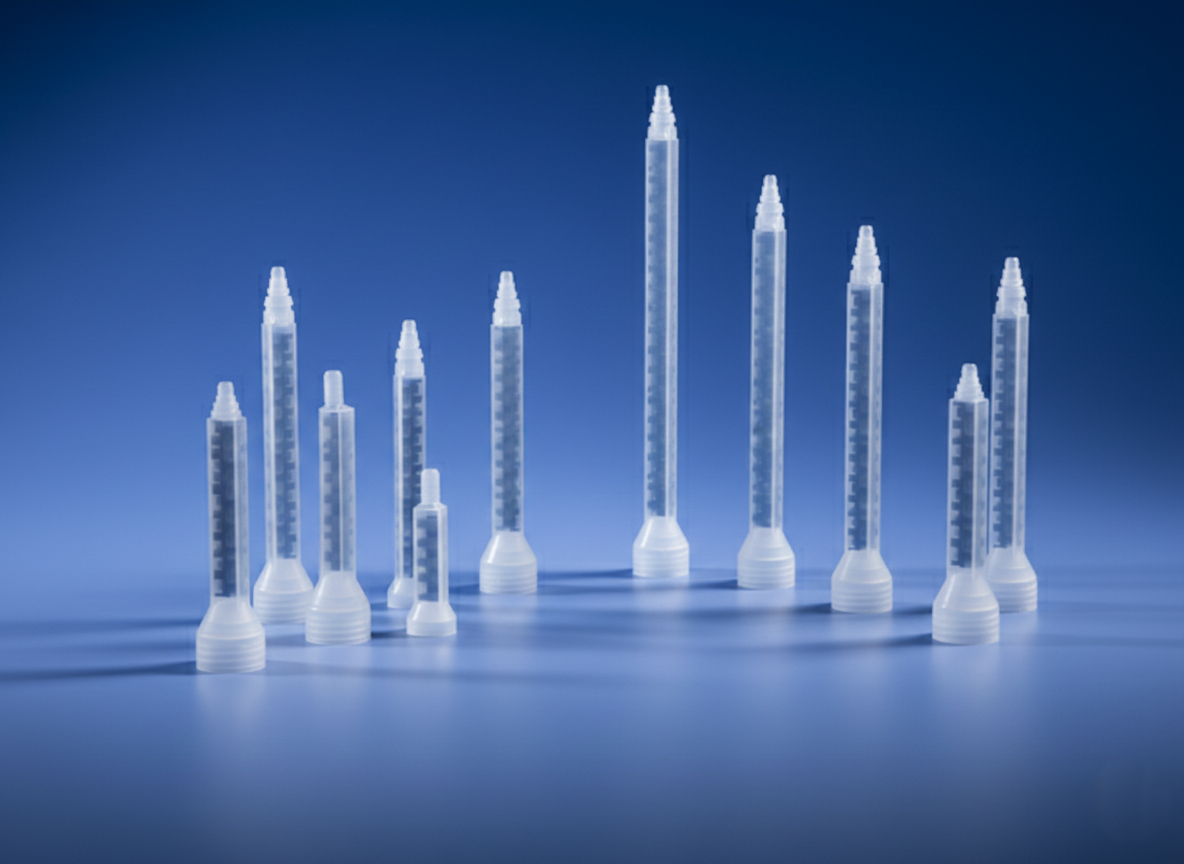
The Shift Toward Automation in Adhesives and Sealants Across the construction, dental, and industrial adhesives sectors, automation is transforming how two-component materials are dispensed and applied. Manual dual-cartridge guns remain widely used, but automated meter-mix-dispense systems are increasingly preferred for high-volume, precision-driven environments. In both cases, disposable static mixers serve as the critical final stage of the mixing process. Without proper integration between the dispensing system and the mixer, even the most advanced equipment cannot deliver consistent results. Automation improves repeatability, reduces operator variability, and enhances process control. However, these benefits depend heavily on the compatibility between cartridges, pumps, and static mixers. When properly integrated, disposable static mixers ensure that resin and hardener are blended thoroughly at the point of dispense, supporting consistent curing and performance.
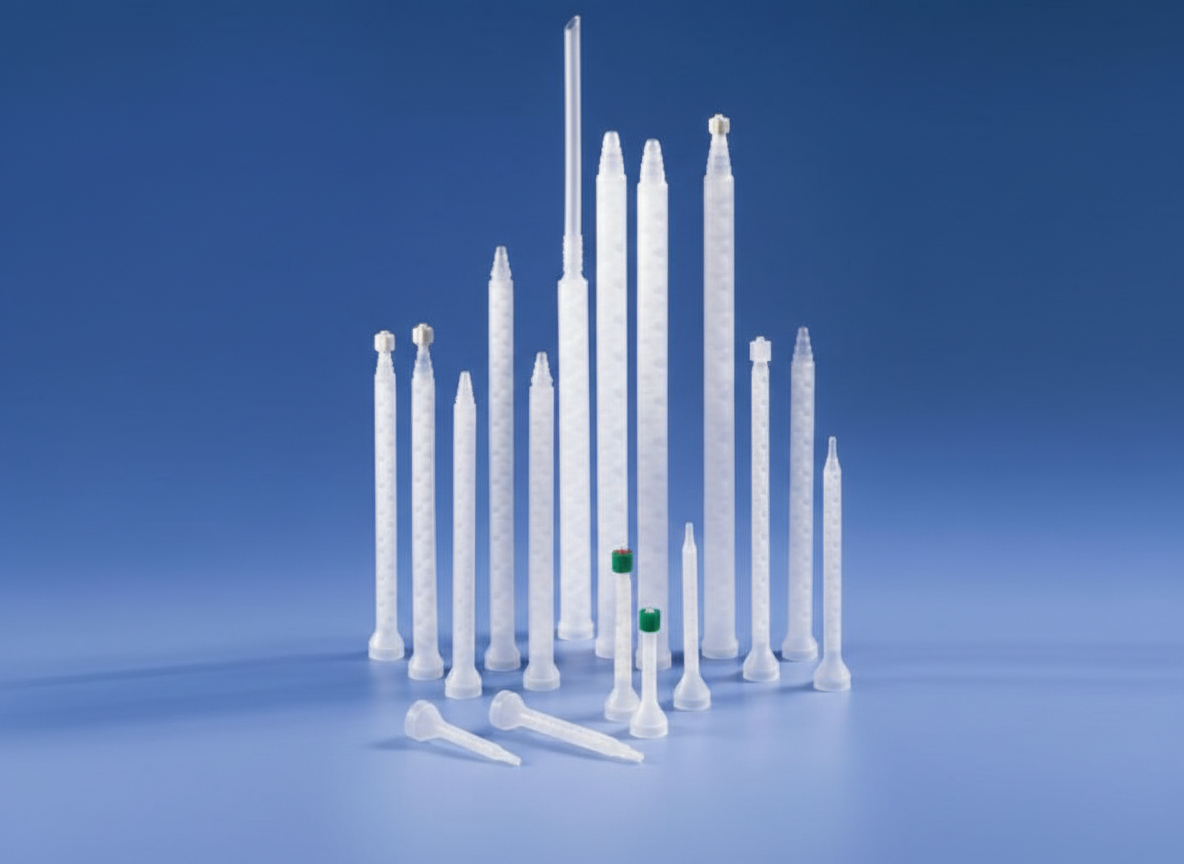
Why Hygiene Is Critical in 2-Component Mixing Applications In industries where cleanliness, safety, and product integrity are essential, hygiene is not optional. Dental applications, medical-adjacent adhesives, food-contact equipment assembly, and specialty sealant use all demand strict control over contamination risks. Two-component materials introduce additional complexity because improper cleaning between batches can lead to cross-contamination, material incompatibility, or compromised performance. Disposable static mixers address these risks by providing a clean, single-use mixing path for every application. Unlike reusable mixing components, disposable static mixers eliminate the variability associated with cleaning procedures and human error. Once the application is complete, the mixer is discarded and replaced with a new one for the next use. This approach ensures that each dispense starts with a fresh, uncontaminated mixing environment. For organizations focused on quality assurance and compliance, disposable mixers play a direct role in maintaining process integrity.
Why Viscosity and Flow Control Matter in 2-Component Mixing In the adhesives and sealants industry, the performance of a two-component material depends not only on the chemistry of the formulation but also on how effectively it is mixed and dispensed. Viscosity and flow rate play a critical role in determining whether a static mixer can produce a homogeneous, repeatable blend without excessive pressure or material waste. From low-viscosity acrylics to high-viscosity silicones and urethanes, each material presents unique challenges that must be addressed through proper mixer selection. Optimizing these variables ensures consistent curing, predictable mechanical properties, and efficient application. For manufacturers, applicators, and engineers, understanding this relationship is essential to achieving reliable results. Two-component disposable static mixers are designed to handle a wide range of viscosities, but not all mixers perform equally across every material type. Choosing the wrong mixer geometry can lead to incomplete mixing, excessive backpressure, or slow dispense rates that reduce productivity. When viscosity and flow are properly matched to the mixer design, users benefit from smoother dispensing, reduced waste, and improved bond performance. This optimization is especially important in applications such as sealing, potting, gasketing, and structural bonding, where material consistency directly impacts durability and long-term reliability.
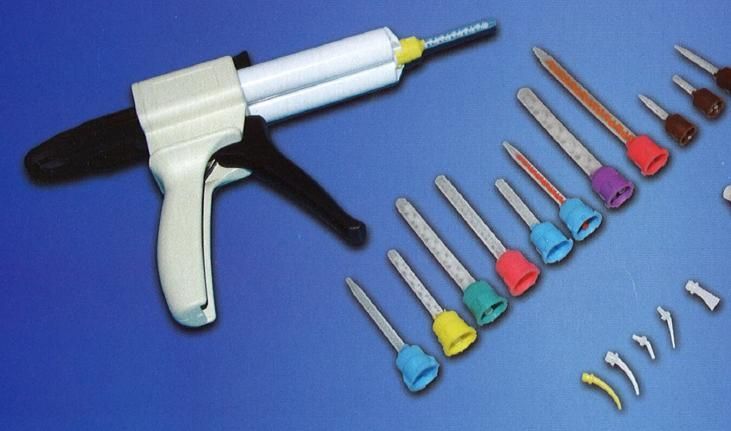
Why Precision Matters in Dental Applications In dentistry, the accuracy of material mixing directly affects clinical outcomes, patient comfort, and procedural efficiency. Two‑component materials such as impression silicones, resin cements, and dual‑cure restorative systems require precise, bubble‑free blending of a base and catalyst to ensure predictable physical properties and dimensional accuracy. Disposable static mixers provide a controlled way to combine these components as they are dispensed, removing the variability of manual mixing and ensuring consistency every time. This leads to improved patient outcomes, reduced waste, and streamlined workflows in both clinical practice and dental laboratories. Dental static mixers also eliminate cross‑contamination risks by being single‑use and sterile , which is critical in infection‑control protocols. Dental practitioners rely on static and hybrid static/dynamic mixers to blend impression materials, restorative composites, adhesives, and cements accurately. Devices like the PacDent iMix Static/Dynamic Mixer combine the benefits of static and dynamic mixing to reduce bubbles and improve material uniformity—a key quality factor in high‑precision dental work.
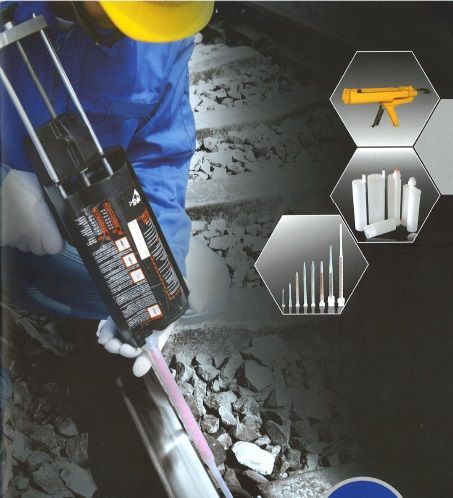
Why This Matters for Construction and Adhesives Professionals In heavy‑duty environments like construction and structural assembly, achieving a reliable, high‑strength bond with two‑component adhesives is essential for safety, longevity, and performance. Disposable static mixers are central to this process, enabling contractors, engineers, and applicators to dispense epoxies, polyurethanes, and other reactive materials with minimal air inclusion and consistent component blending . Static mixers accomplish this by combining the resin and hardener in a controlled manner as they pass through a series of fixed elements, resulting in a homogeneous mixture. This precise blend ensures that adhesive strength and curing properties meet specifications every time. Zero‑defect bonds and predictable mechanical properties are non‑negotiable in load‑bearing applications, and the right mixer plays a vital role in achieving them. Construction professionals rely on static mixers for tasks such as concrete crack injection, anchoring systems, bonding composite rebar, and filling voids in structural elements . Modern static mixer designs reduce waste, improve worker efficiency, and ensure repeatable results across multiple jobs. According to Nordson’s 2‑component mixers, disposable spiral and square mixers are engineered to deliver complete and thorough mixing of two‑part materials while eliminating entrapped air, which can weaken cured adhesives.
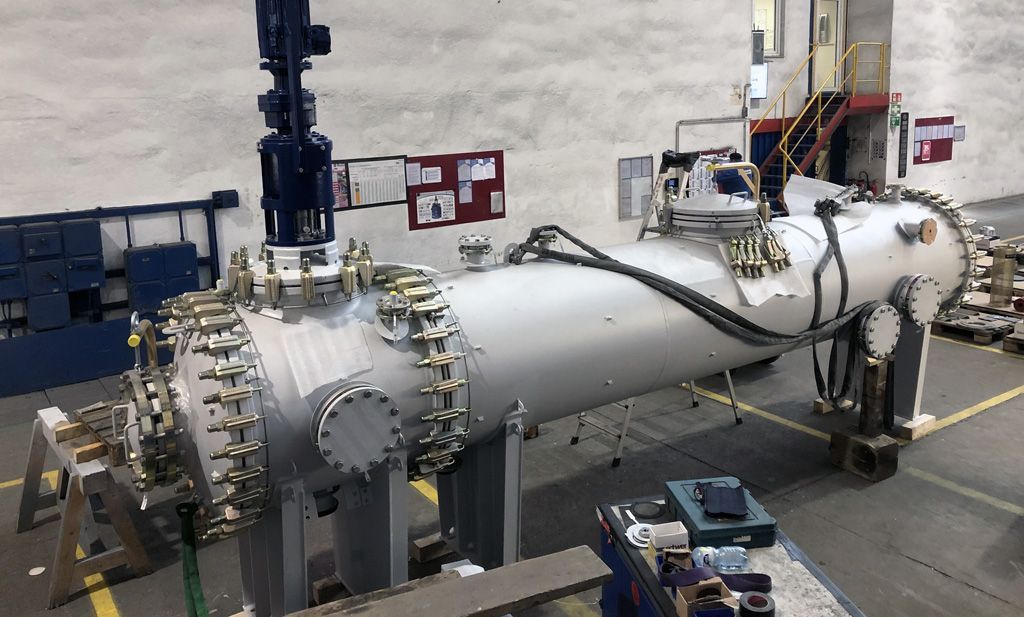
Effective water treatment relies heavily on the precise and uniform mixing of chemicals to ensure safety and regulatory compliance. In both municipal and industrial settings, the ability to rapidly blend coagulants, disinfectants, and neutralizing agents into a water stream is critical for process efficiency. Static mixers have emerged as a superior solution for these applications, offering a reliable method to achieve homogeneity without the energy costs and maintenance associated with traditional mechanical agitators. By utilizing the flow energy of the fluid itself, these devices ensure that every drop of water receives the correct dosage of treatment chemicals, which is essential for meeting stringent water quality standards. Unlike dynamic mixers that rely on motorized impellers, static mixers consist of a series of fixed geometric elements housed within a pipe. As water flows through these elements, the stream is continuously divided, redirected, and recombined, creating radial mixing and turbulence. This mechanism is particularly advantageous in water and wastewater treatment, where consistent mixing is required 24/7. Whether it is for drinking water purification or treating industrial effluent, the continuous inline mixing provided by static mixers eliminates the need for large mixing tanks and reduces the risk of short-circuiting, ensuring that chemical reactions occur instantaneously and efficiently.
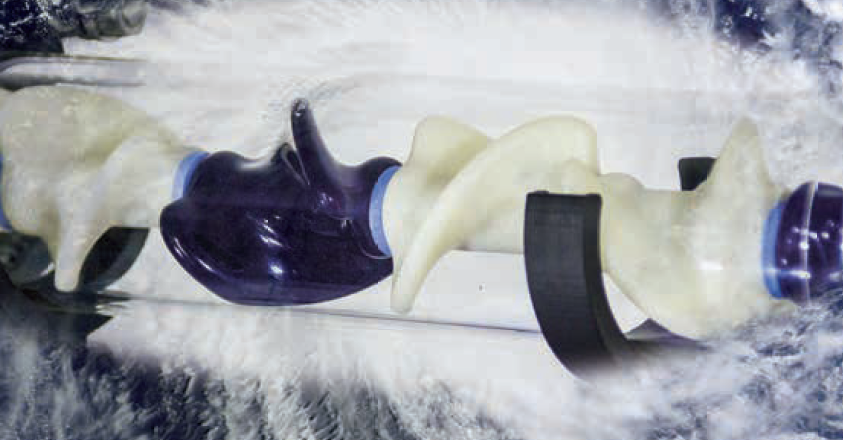
Why Static Mixers Matter in Continuous Processing Continuous operations depend on consistency, efficiency, and reliability. Any interruption, variability, or unnecessary maintenance can quickly translate into lost production time and higher operating costs. This is where static mixers excel, offering a simple yet powerful solution for inline mixing without moving parts. Understanding when to use static mixers in continuous operations helps engineers and operators design processes that are more stable, energy-efficient, and easier to control over time.
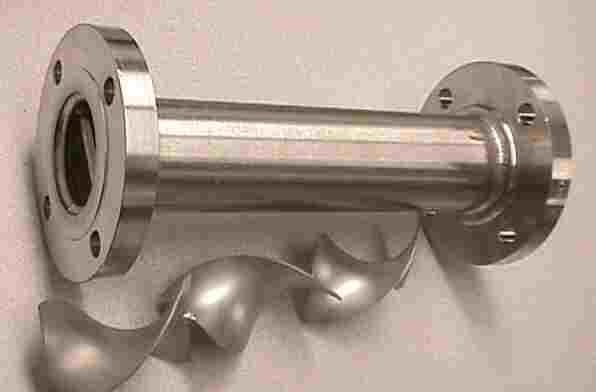
Understanding Static Mixers and Their Role in Modern Industry Static mixers are essential components in many industrial processes, providing efficient, consistent blending without the need for moving parts. Unlike traditional mechanical mixers, static mixers rely on fixed internal elements that create flow patterns to mix liquids, gases, or even slurries as they pass through. They are widely used in industries such as chemical processing, water treatment, food and beverage, and pharmaceuticals—where reliability, precision, and low maintenance are critical. This article explores the history of static mixers , how they function, and why they remain one of the most cost-effective and energy-efficient mixing solutions available today.
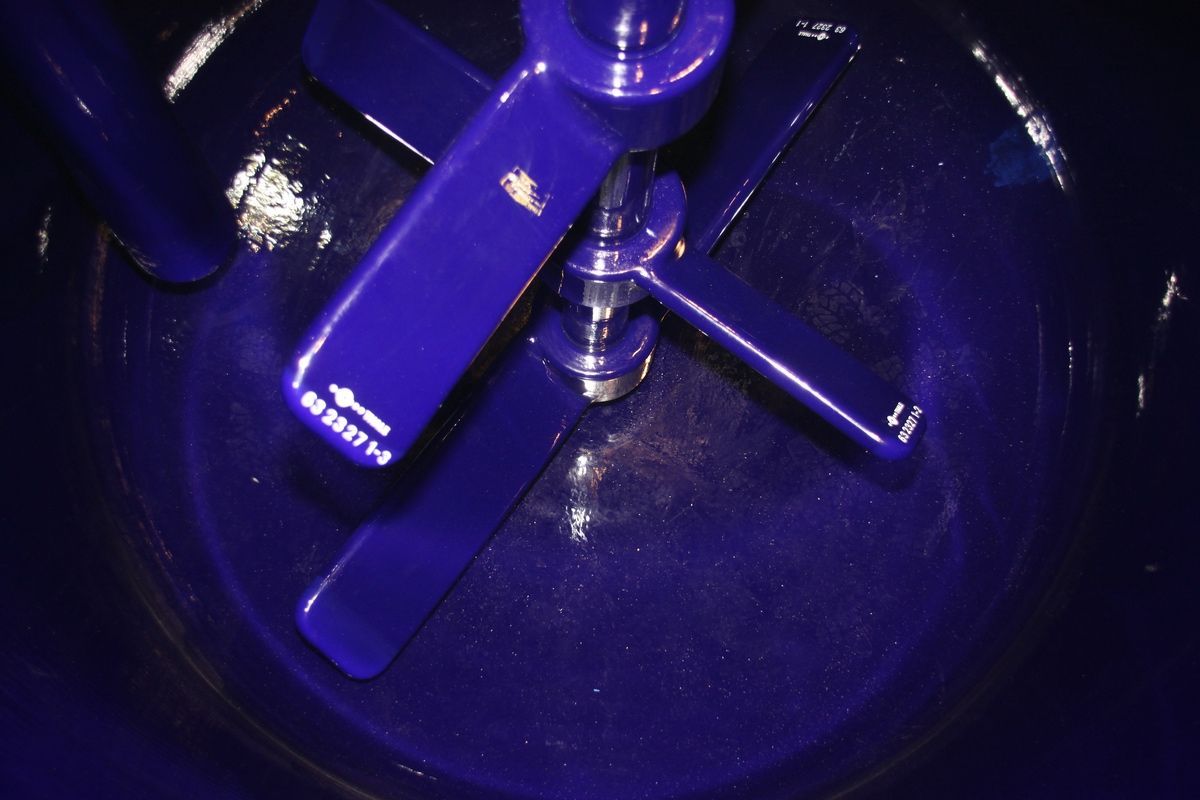
In industries like pharmaceuticals, chemicals, and food processing, even the smallest contamination or mechanical failure can disrupt operations. That’s why glass lined agitators have become a trusted solution, combining the strength of steel with the chemical resistance of glass. Their engineering is not only about durability but also about achieving precise mixing results in highly demanding environments. In this article, we’ll take a closer look at the engineering behind glass lined agitators , exploring their design, materials, applications, and benefits for modern processing plants.
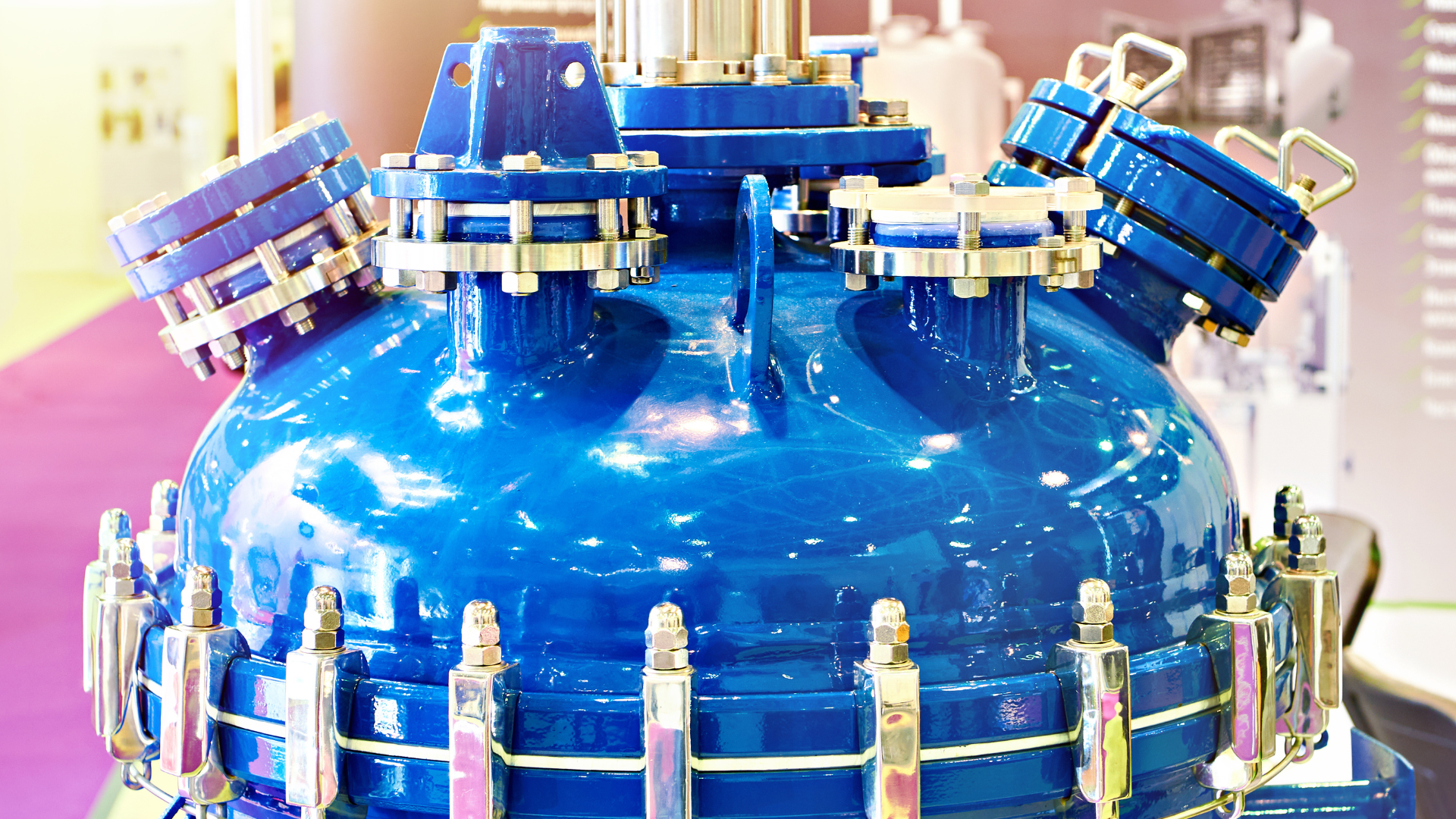
Introduction: Why Glass-Lined Reactors Matter In the chemical industry, equipment reliability and product purity are non-negotiable. Glass-lined reactors (GLRs) have become a preferred solution for many manufacturers because they combine the strength of steel with the chemical resistance of glass. This dual benefit makes them versatile and indispensable for processes that demand durability, safety, and consistency. In this article, we’ll explore the common applications of glass-lined reactors in the chemical industry , their role in supporting complex reactions, and why they continue to be the equipment of choice across diverse sectors.
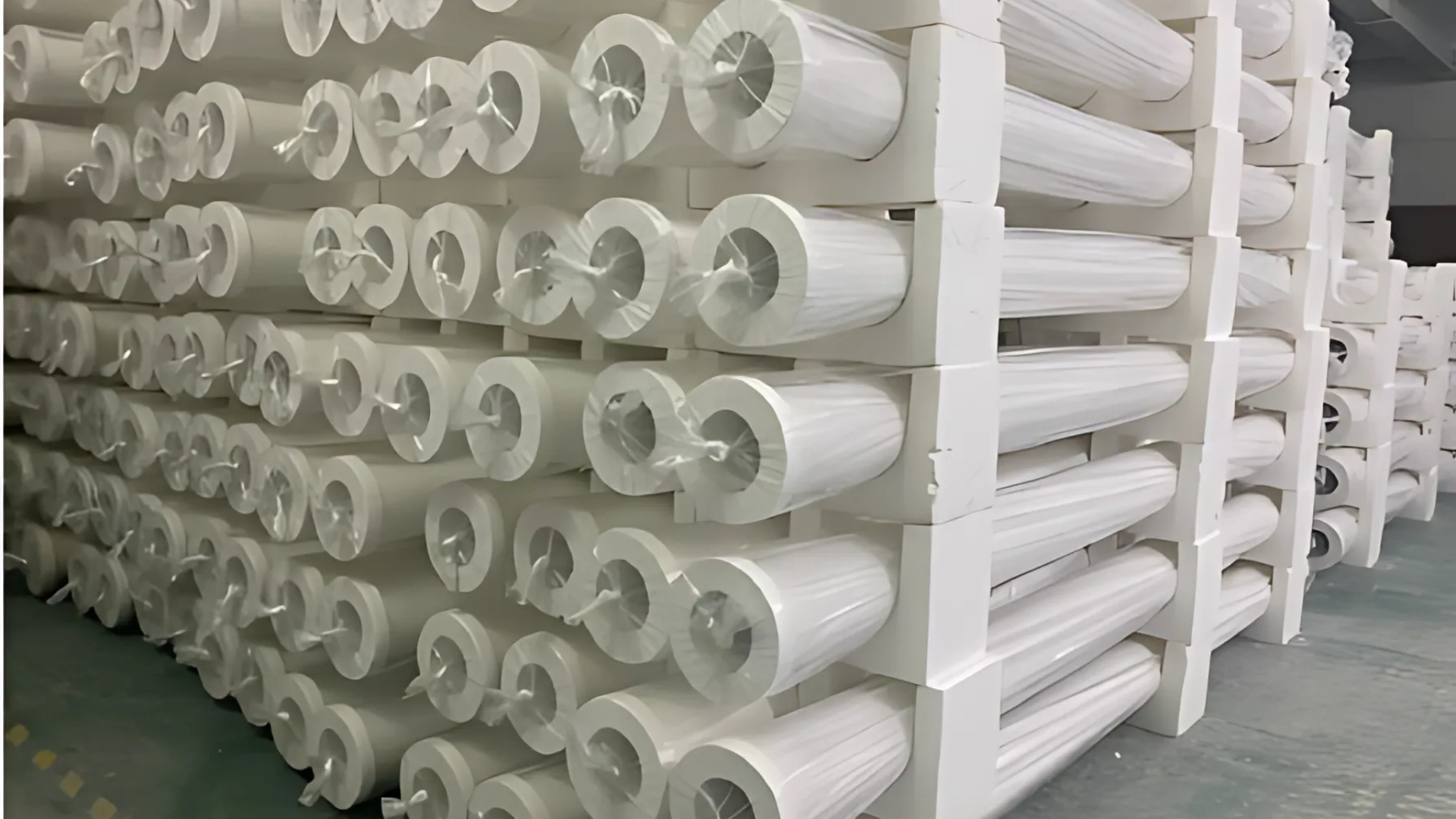
In today’s industrial landscape, sustainability and efficiency are top priorities. From power generation to chemical processing, companies are under pressure to reduce emissions while maintaining operational productivity. One of the most effective solutions for achieving these goals is the ceramic catalytic filter . These advanced filtration systems combine the durability of ceramic materials with catalytic coatings to capture dust and remove harmful gases in a single step. In this guide, we’ll explore the key benefits of ceramic catalytic filters in industrial applications , highlighting how they improve air quality, reduce costs, and create safer, more efficient plants.
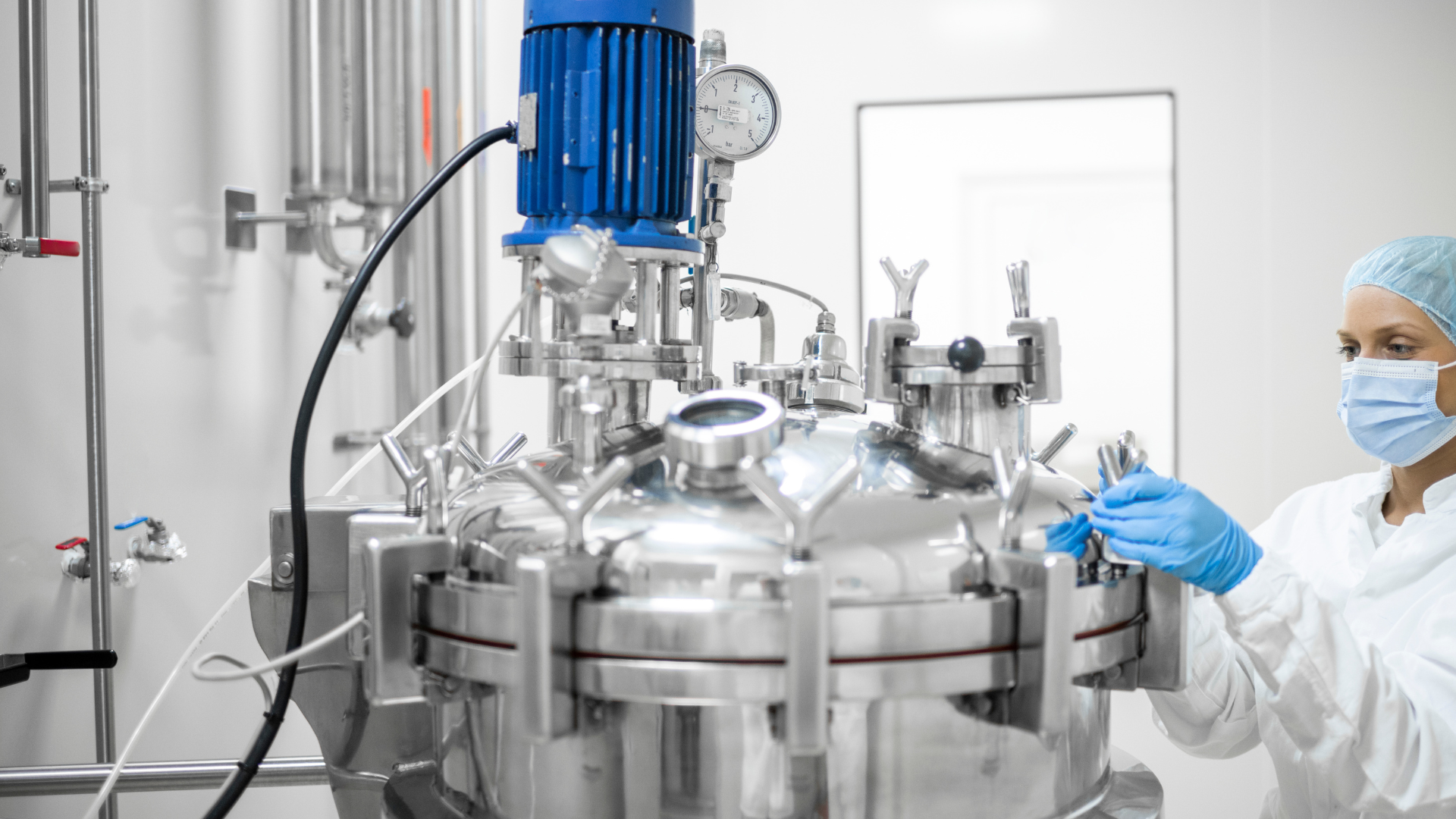
When it comes to industrial processing, product purity and safety are non-negotiable. Manufacturers in industries like pharmaceuticals, chemicals, and food production must ensure their processes protect both the final product and the people handling it. One solution that has become indispensable is glass-lined mixing equipment . By combining the durability of steel with the chemical resistance of glass, these systems help companies meet strict quality, safety, and compliance standards. In this article, we’ll explore how glass-lined mixers enhance purity, safeguard operations, and support industries where even the smallest contaminant can lead to significant consequences.
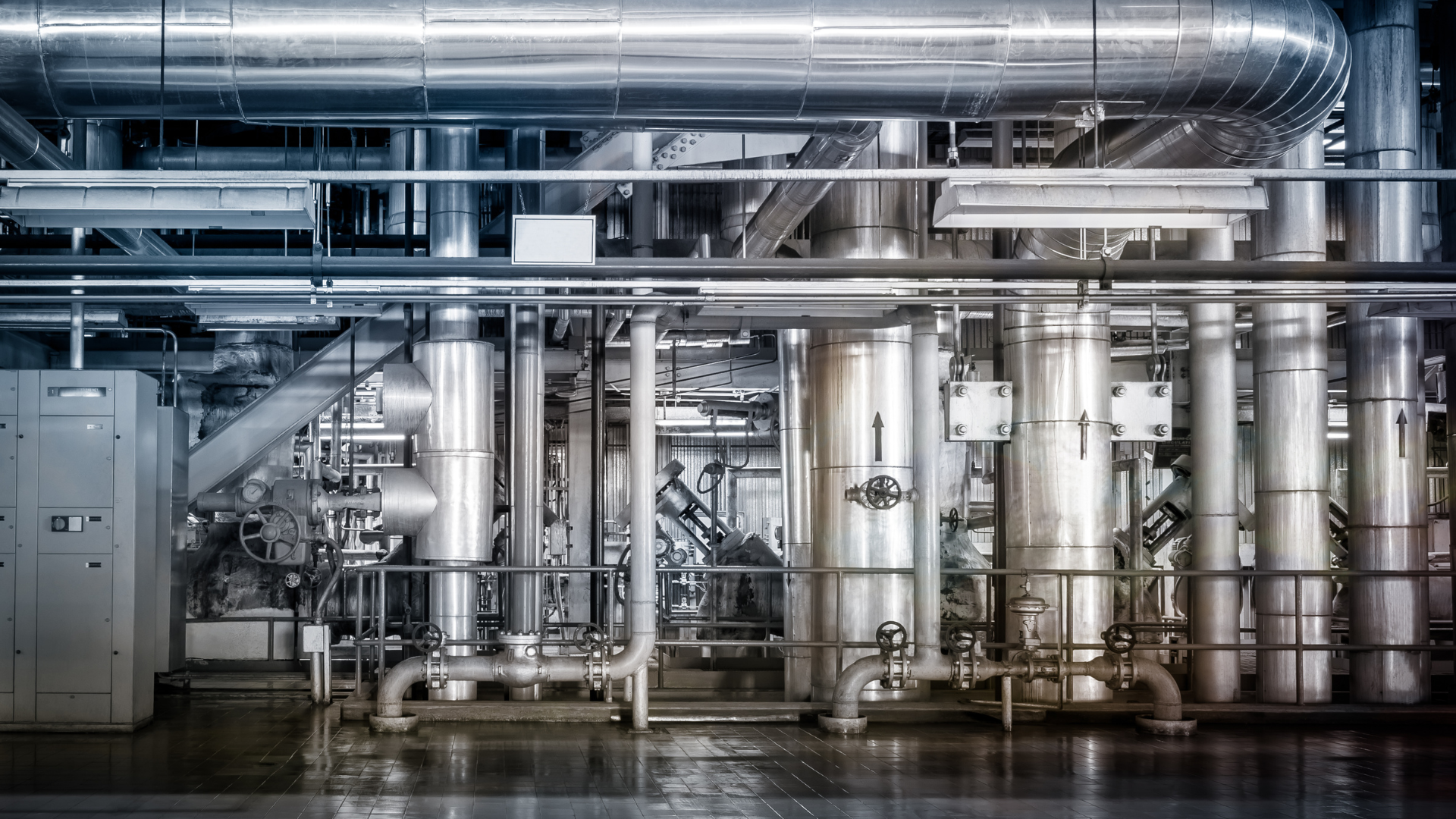
When it comes to industrial processing, choosing the right reactor material can make or break your operations. Two of the most common options— glass-lined reactors and stainless steel reactors —each offer unique advantages depending on the application. Factors such as chemical resistance, cost, durability, and process requirements all play a critical role in determining which reactor is the best fit for your needs. In this guide, we’ll compare glass-lined vs. stainless steel reactors to help you make an informed decision, with insights into where each type excels and where they may fall short.
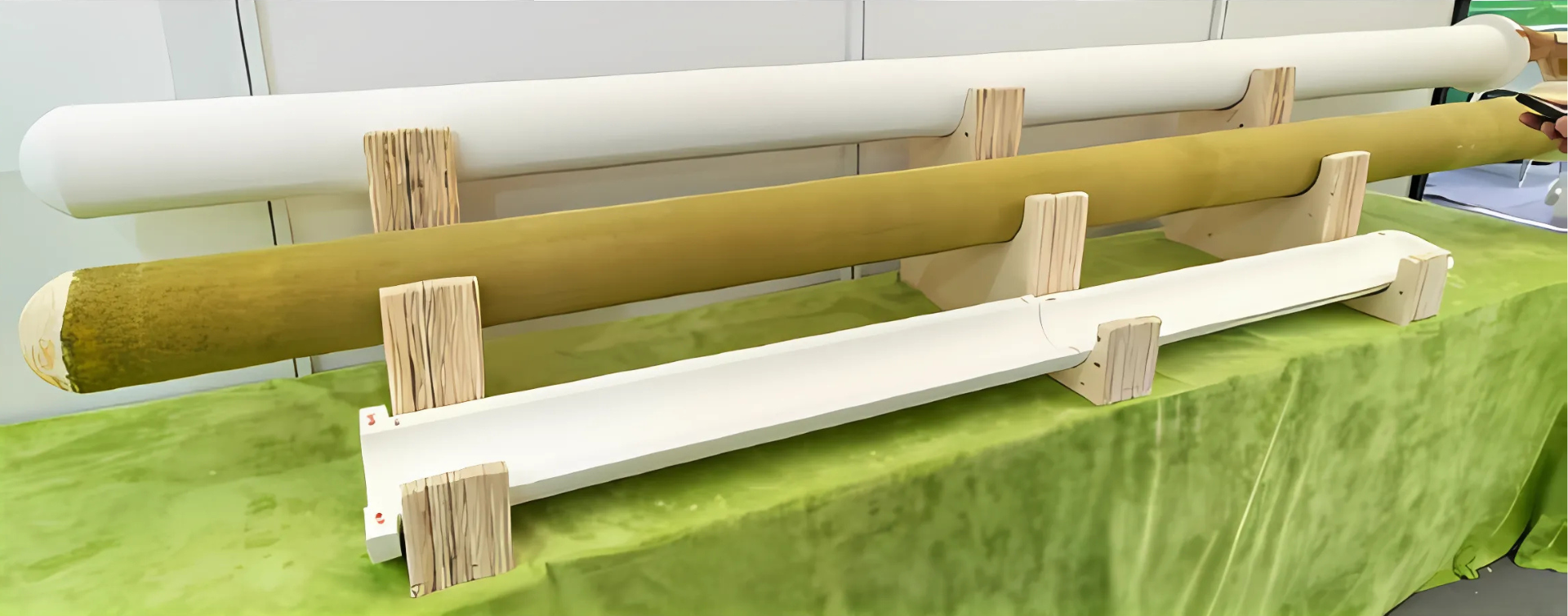
In industries where high-temperature processes release dust, harmful gases, and fine particulates, finding an efficient filtration solution is essential. Ceramic catalytic filters have emerged as one of the most advanced technologies for hot-gas filtration, providing durability, multifunctional performance, and compliance with strict emission regulations. This guide explains what ceramic catalytic filters are, how they work, and why they’re becoming the preferred choice for modern industrial plants.

Selecting the right mixing equipment is one of the most important technical and financial decisions you’ll make for a process line. The choice between glass-lined and standard (stainless steel / specialty alloy) mixing equipment affects product purity, maintenance, operating cost, regulatory compliance, and long-term reliability. This guide walks you through the practical tradeoffs, real-world scenarios, and a clear decision checklist so you can pick the equipment that best fits your process requirements.
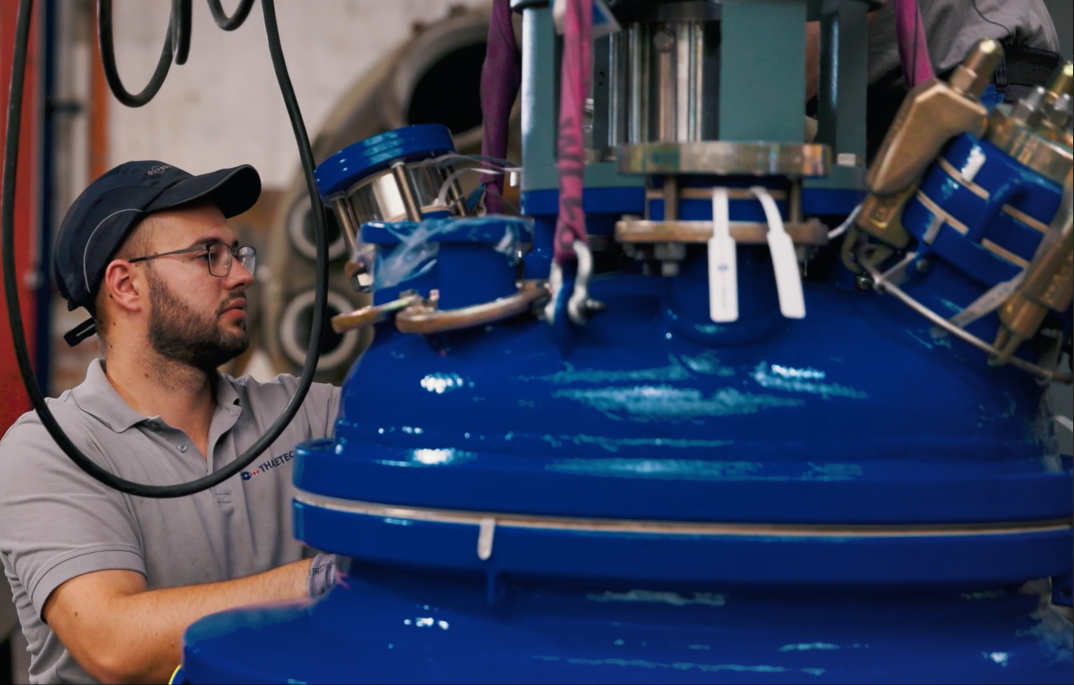
Maintaining a glass-lined reactor properly ensures its longevity, process integrity, and safety. Here’s a comprehensive guide to keeping your reactor in peak condition with gentle cleaning, preventive maintenance, and best handling practices.
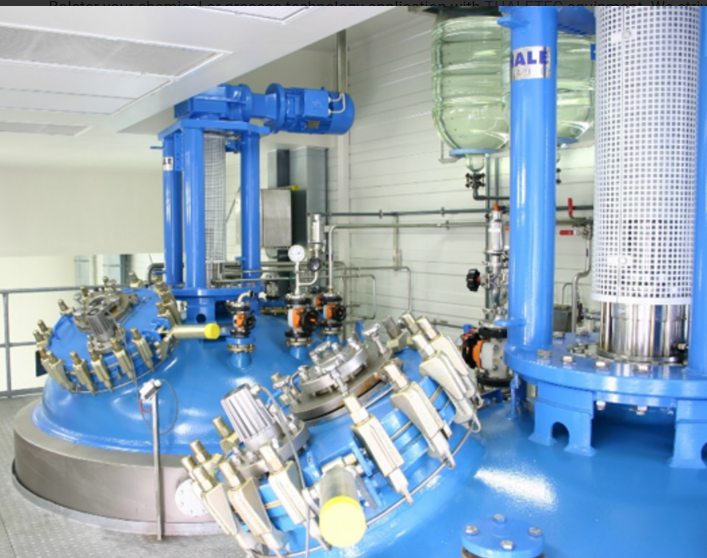
Glass‑lined mixers offer a powerful combination of chemical resistance, operational safety, and long-term cost efficiency. In this guide, we explore how glass‑lined mixing technology delivers outstanding value across corrosive processing environments in pharma, chemicals, food, and specialty industries.
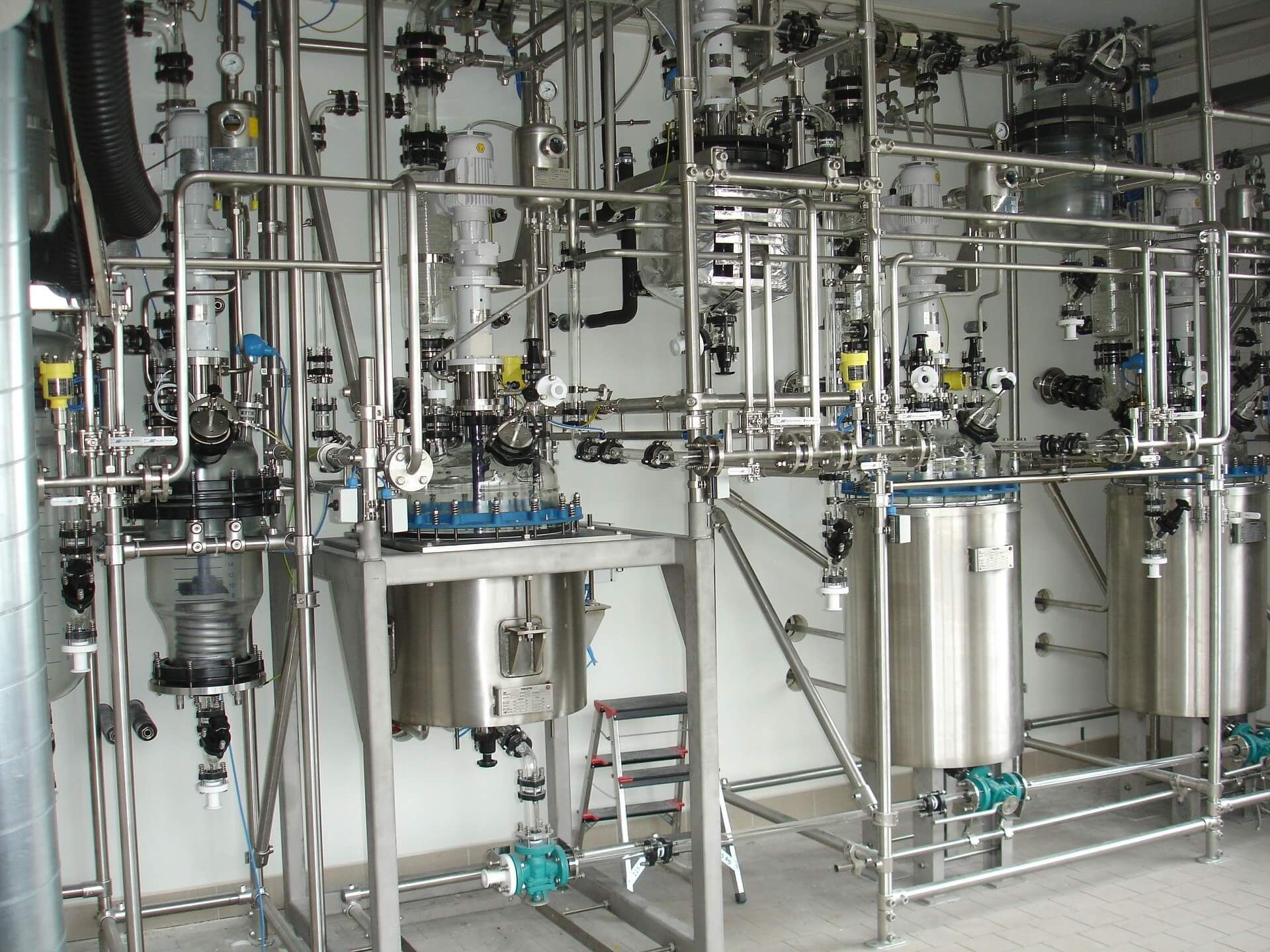
Glass-lined reactors play a crucial role in pharmaceutical production due to their corrosion resistance, purity maintenance, and ease of cleaning. This guide explores the core benefits of glass-lined reactors in pharma, their design considerations, real-world applications, and how they contribute to regulatory compliance and operational efficiency.
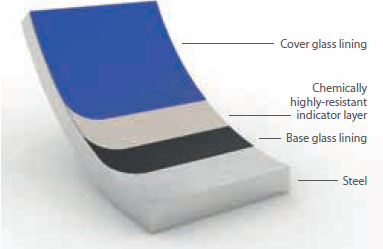
Glass-lined mixing equipment—including reactors, tanks, and agitators—combines chemical resistance with mechanical reliability. In this beginner’s guide, we examine how glass-lined systems work, why they are essential in corrosive environments, and how to use and maintain them for optimal performance.
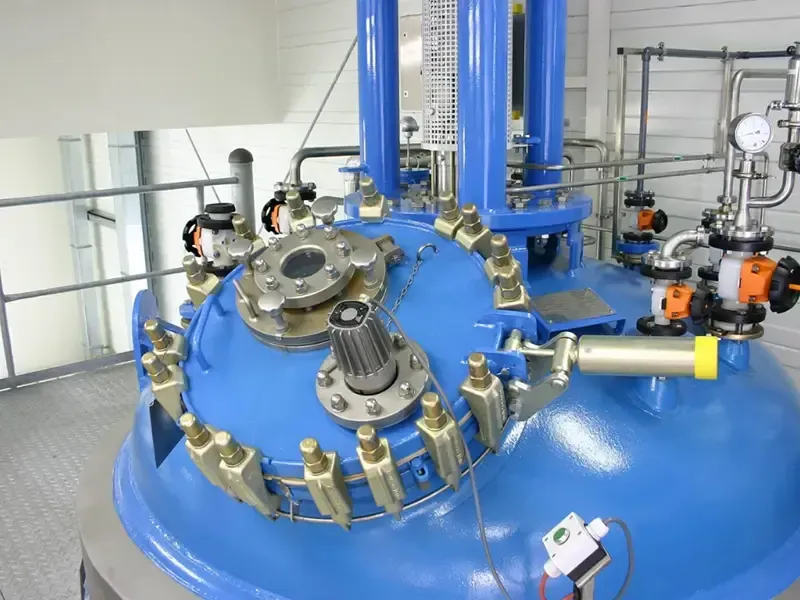
Glass-lined reactors have become indispensable in chemical processing thanks to their superior corrosion resistance, purity, and versatility. In this comprehensive guide, we'll explore what makes these reactors unique, the core benefits they offer, typical applications, and key considerations when choosing the right glass-lined vessel for your process.
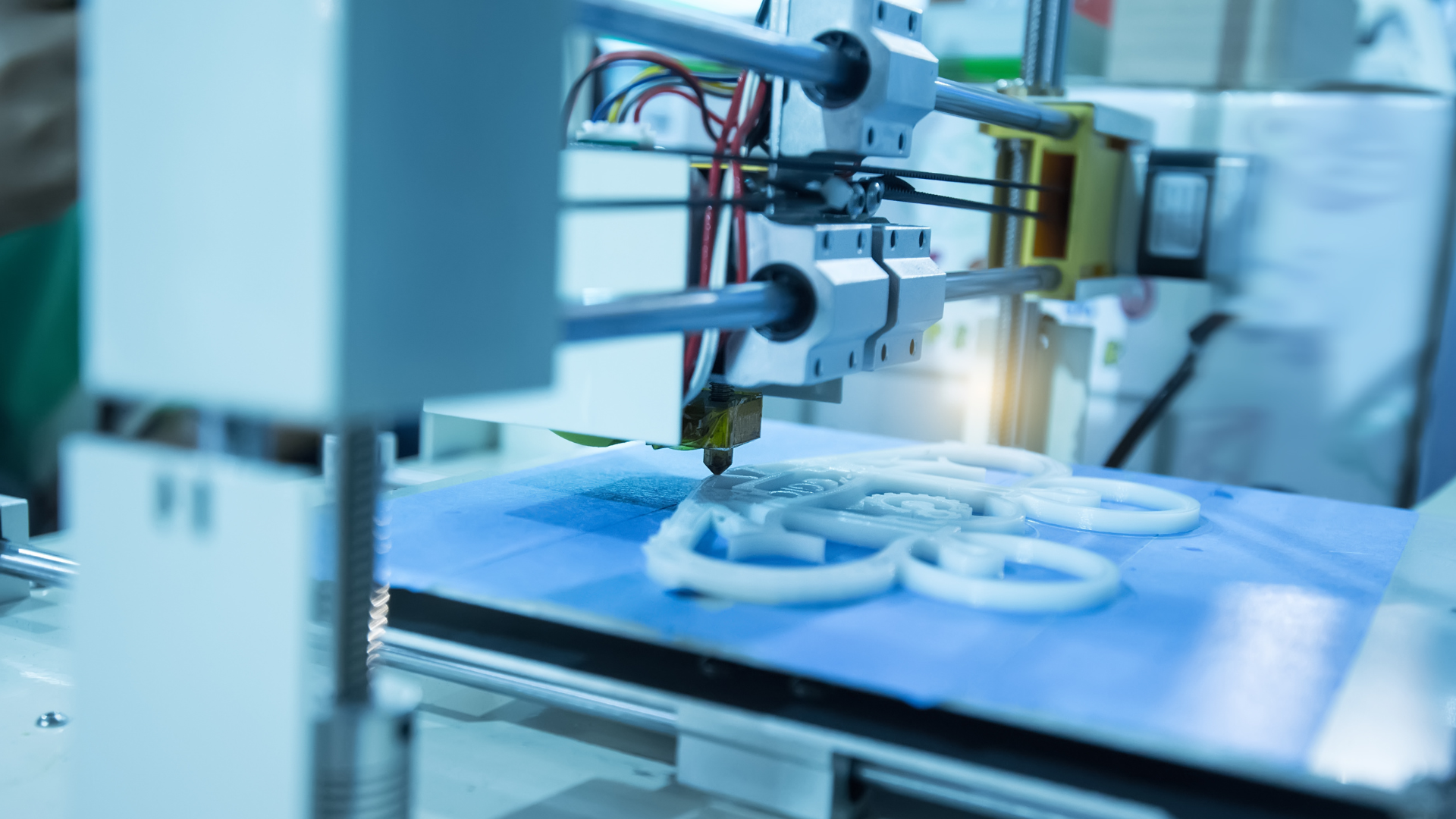
The advent of 3D printing—also known as additive manufacturing—has sparked a revolution in industrial design, enabling engineers to create complex, optimized mixing components previously deemed unmanufacturable. In mixing technology, this innovation is more than a novelty—it enhances performance, saves cost, and accelerates development cycles. In this article, we explore how 3D printing reshapes the design of mixing equipment parts like impellers, static mixers, and micro-reactor elements, and what this means for industries ranging from pharmaceuticals to 3D printing materials themselves.
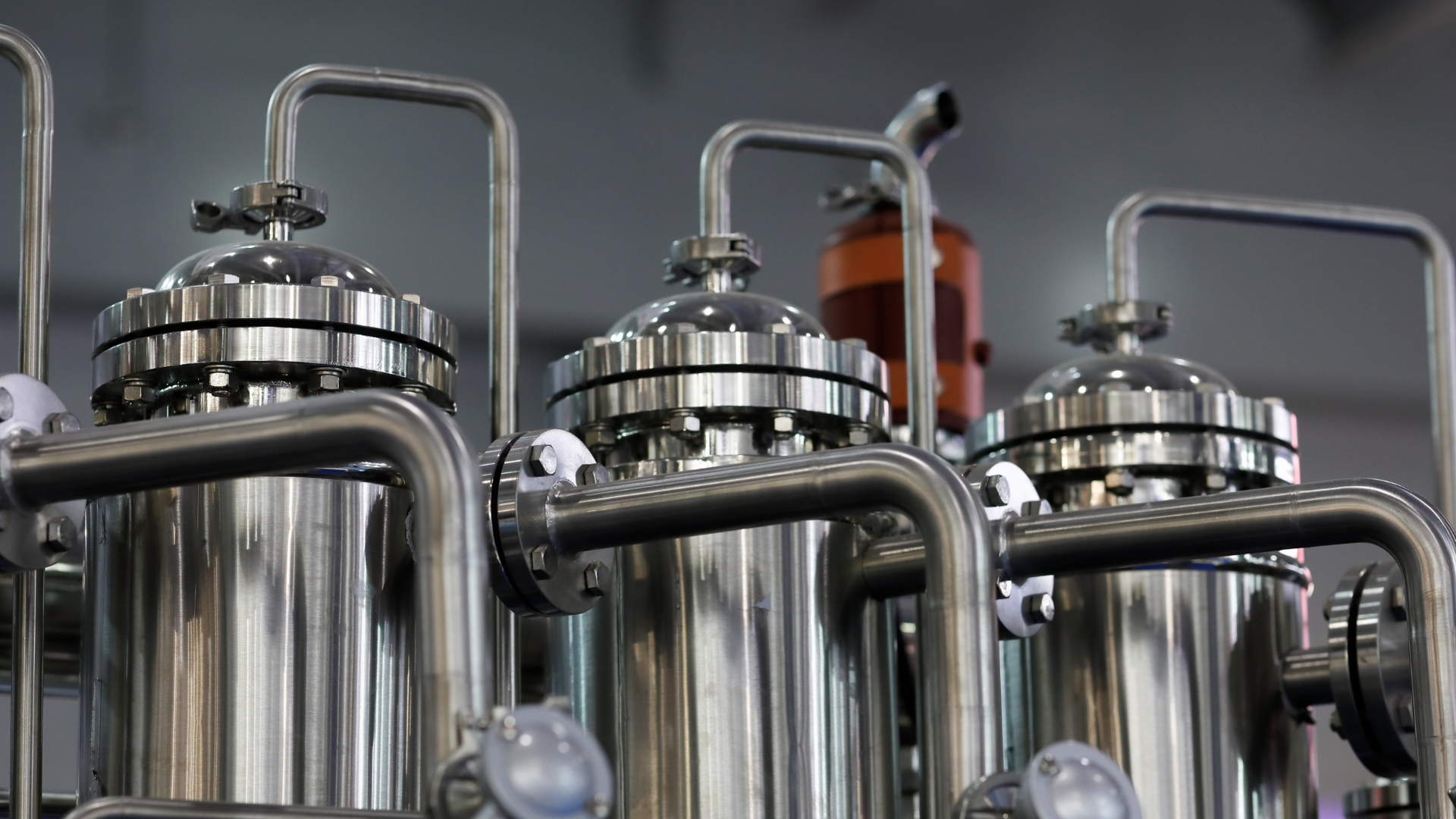
Proper maintenance of mixing equipment is essential for maximizing performance, reducing downtime, and extending service life. Whether you're operating ribbon blenders, industrial agitators, or high-shear mixers, proactive care can save you time, money, and hassle. Below are key strategies to keep your mixing systems in top condition.
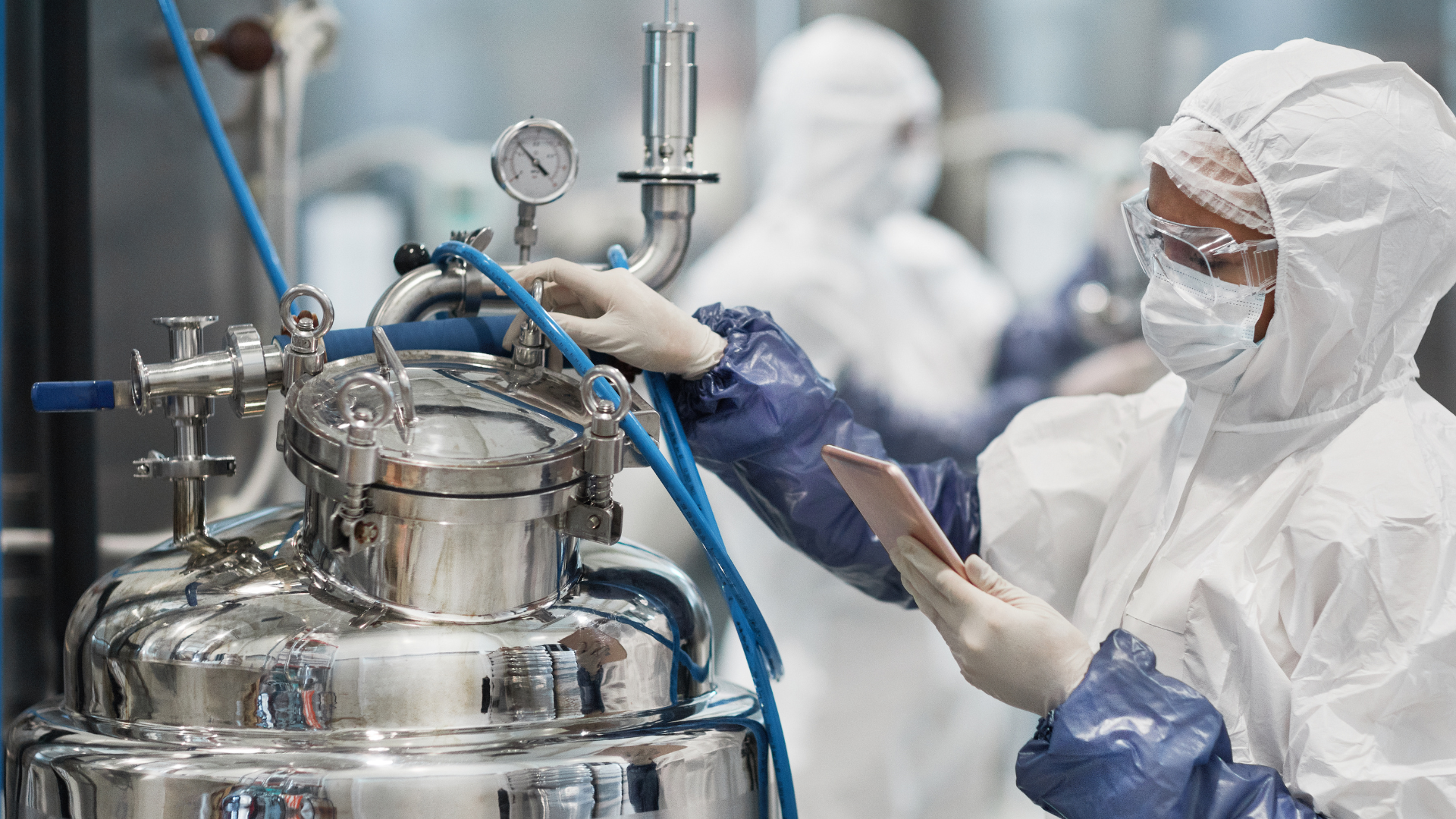
Pharmaceutical manufacturers face stringent quality requirements, tight timelines, and ever-evolving formulations. Advanced mixing equipment plays a pivotal role in ensuring consistent product quality, efficient processing, and regulatory compliance. This guide dives deep into how modern mixing technologies can optimize pharmaceutical production, exploring critical design features, process validation, monitoring strategies, and real-world examples that illustrate the tangible benefits of investing in the right equipment.
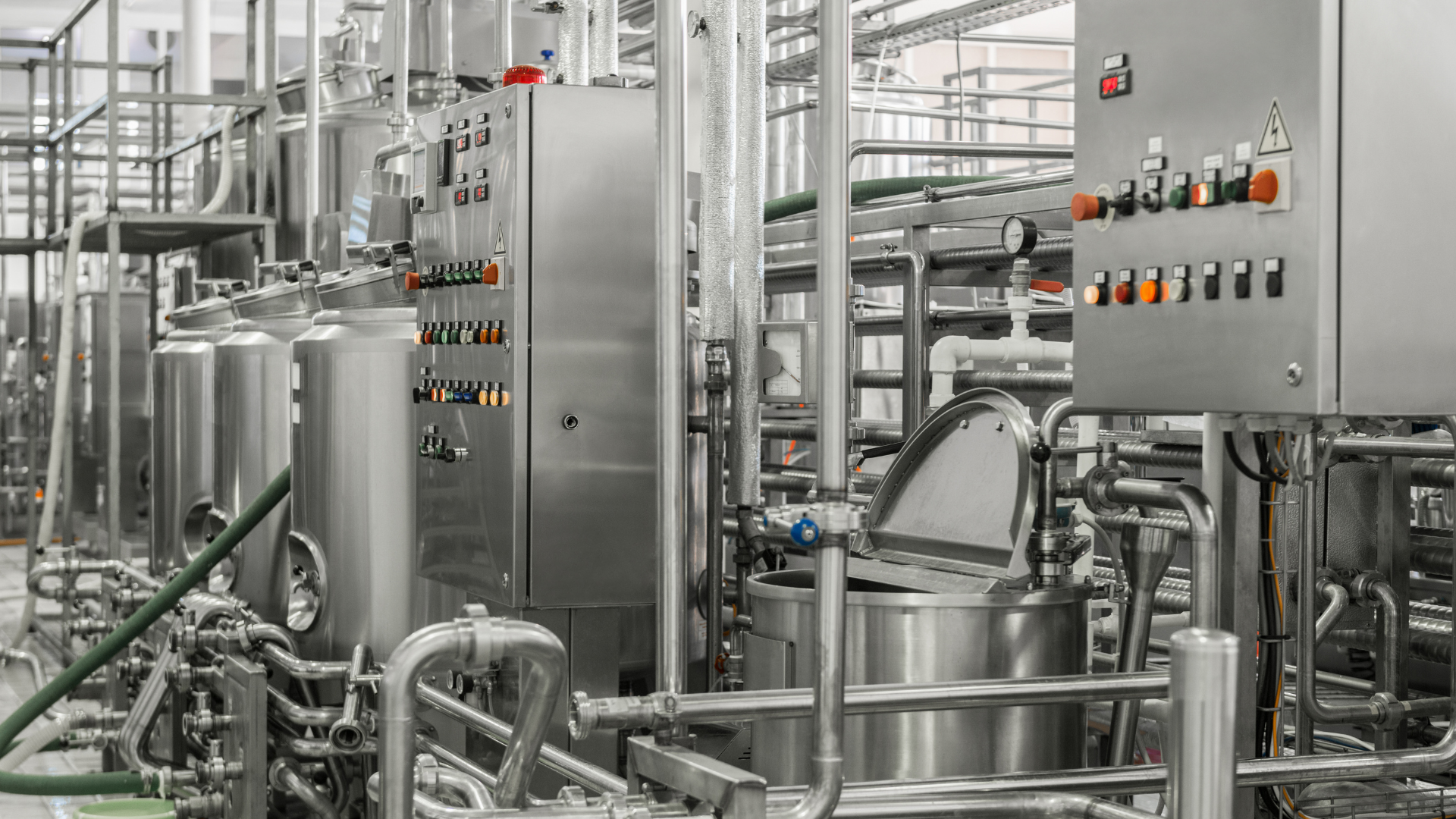
Mixing equipment is undergoing a transformative shift as automation and IoT (Internet of Things) technologies reshape industrial processes. Today’s manufacturers seek smart solutions that deliver consistent product quality, reduce downtime, and enable data-driven decision-making. In this comprehensive guide, we explore how mixing equipment evolves through automation and IoT integration, the benefits and challenges of adoption, real-world examples, and steps to implement smart mixing systems. By understanding these trends, process engineers and decision-makers can position their operations for greater efficiency and competitiveness.
In industrial processing, selecting the appropriate mixing equipment is crucial for product quality, operational efficiency, and cost-effectiveness. Two primary categories of mixers—static and dynamic—serve diverse applications across industries such as food and beverage, pharmaceuticals, chemicals, and adhesives. Understanding the distinctions between these mixing technologies is essential for optimizing your process.
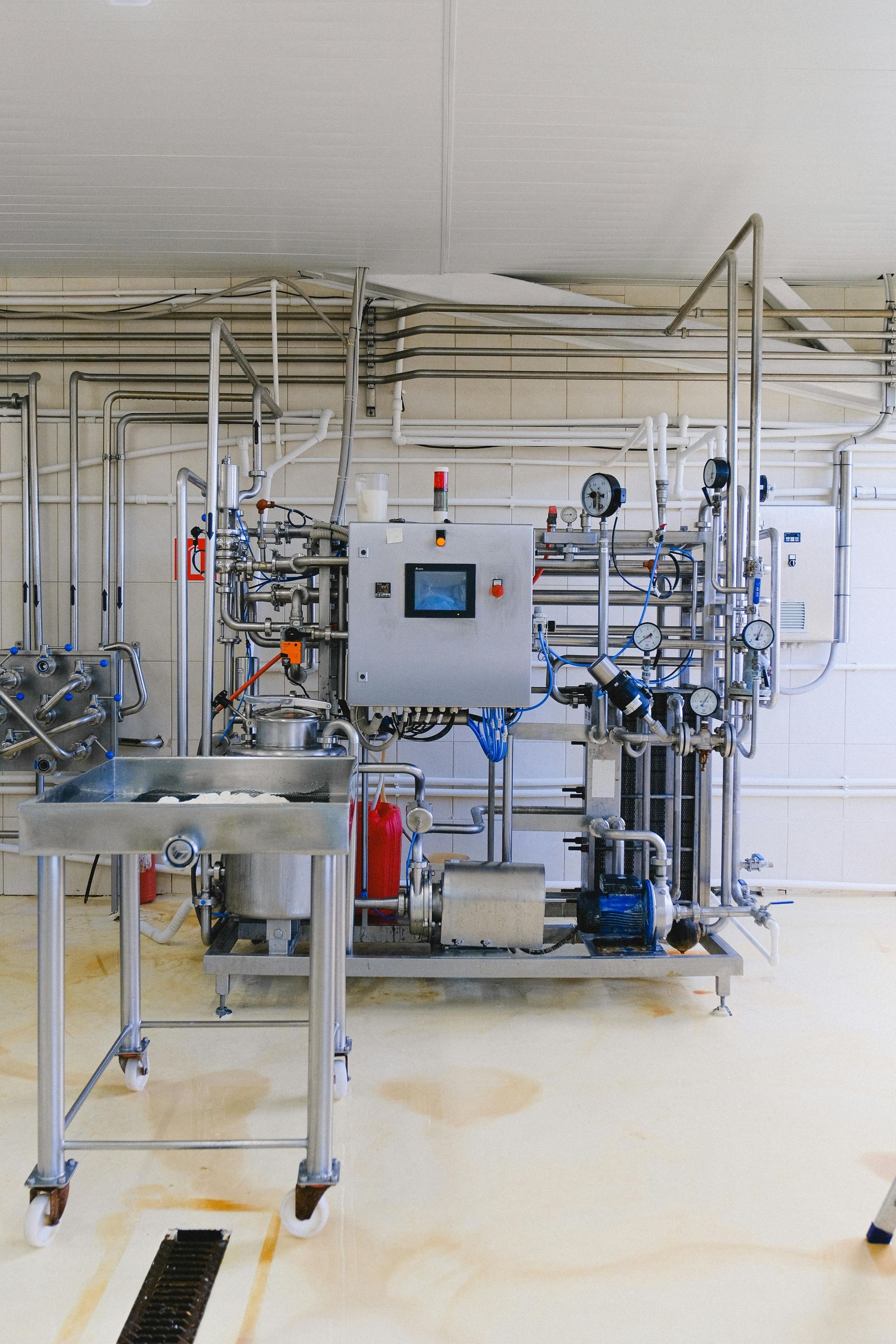
In the realm of industrial processing, especially within the food, pharmaceutical, and cosmetic sectors, achieving the desired product texture is paramount. A critical factor influencing texture is the shear rate applied during mixing. This article delves into the concept of shear rates, their impact on product texture, and how different mixing equipment can be optimized to achieve consistent and high-quality results.
In the dynamic world of food and beverage production, mixing equipment plays a pivotal role in ensuring product safety, consistency, and flavor. From blending sauces to homogenizing dairy products, the right mixing solutions are essential for delivering high-quality consumables that meet both regulatory standards and consumer expectations.
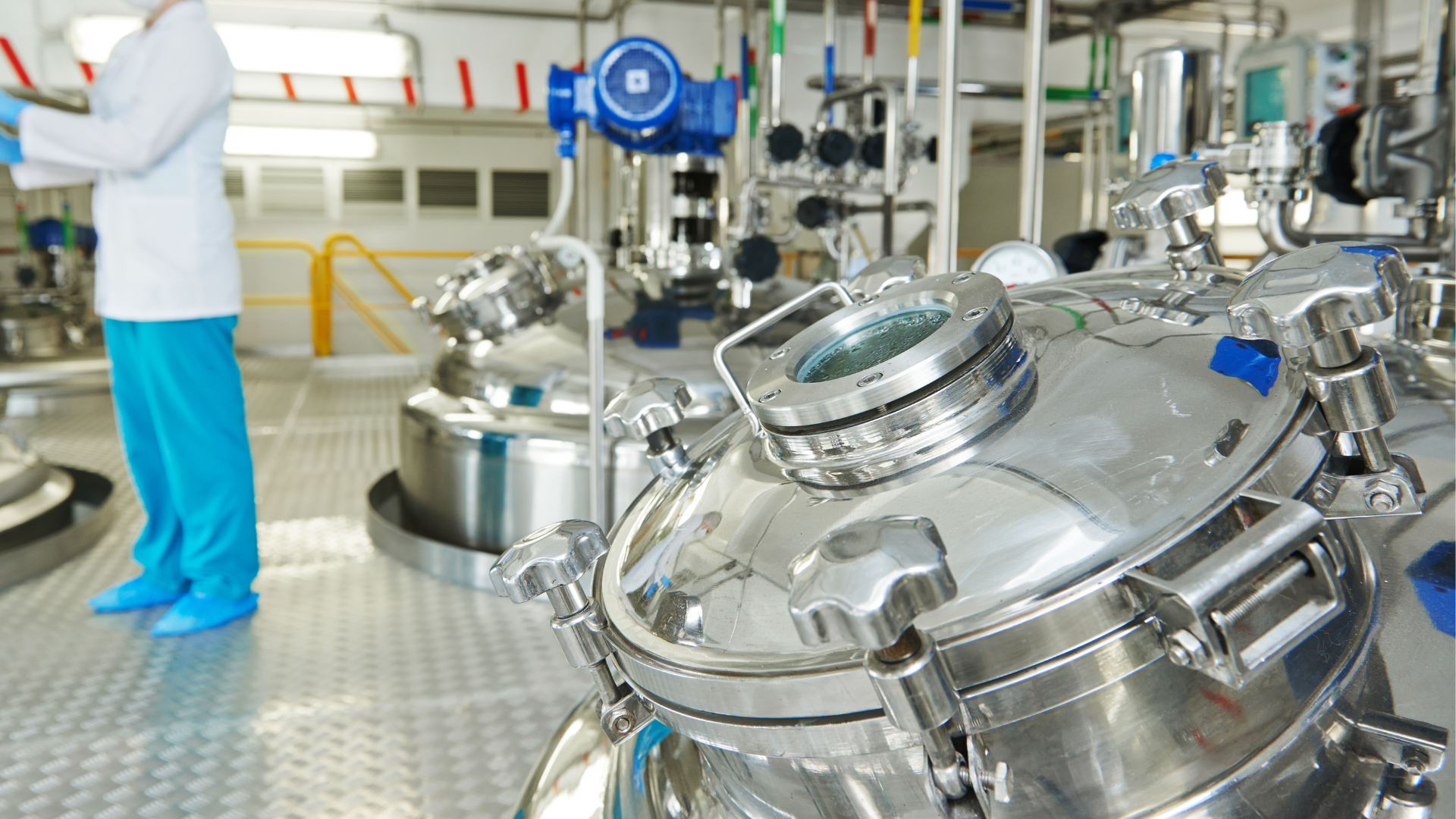
What Is Mixing Equipment? A Beginner’s Guide to Industrial Blending Solutions Mixing equipment is a cornerstone of industrial manufacturing, ensuring consistent product quality across various sectors. From pharmaceuticals to food processing, the right blending solutions are crucial for efficient and effective production. This guide delves into the essentials of industrial mixing equipment, helping beginners understand its significance, types, and applications.