





Your Expert Source For Stirred Tanks, Reactors & Ceramic Filters

We will help you increase production, improve quality, and control air pollution, so you can focus on production efficiency.


We Simplify Industrial Mixing & Air Pollutant Removal.

A black and white image of the letter z on a white background.

With our expertise, we’ll help you optimize performance, save money, and improve efficiency.

Companies Represented by ZAIN

A black and white drawing of a factory with smoke coming out of the chimney.

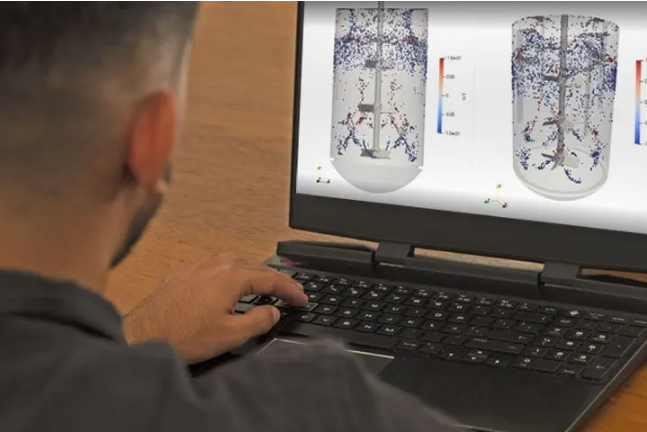
Boost performance and efficiency with expert guidance on stirred tanks, reactors, and advanced mixing technologies designed for diverse industrial applications.

Industrial Mixing

Enhance productivity and reduce costs with customized solutions that integrate glass-lined reactors and ceramic filters for safe, consistent operations.

A black and white drawing of a factory with a gear on top of it.

Manufacturing

Ensure compliance, purity, and efficiency with sanitary glass-lined stirred tanks and reactors engineered for strict regulatory environments.

A black and white icon of a beaker and a box with a cross on it.

Pharmaceutical & Food Processing

Chemical Processing

Improve blending, dispersion, and scale-up processes using specialized mixing equipment and high-performance ceramic filters that deliver long-term value.

A beaker and a measuring cup with bubbles coming out of them.

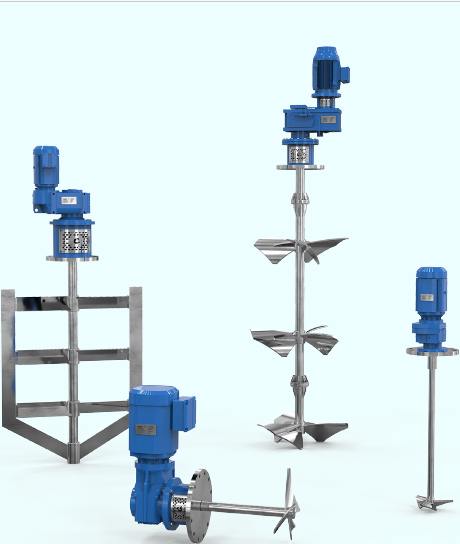
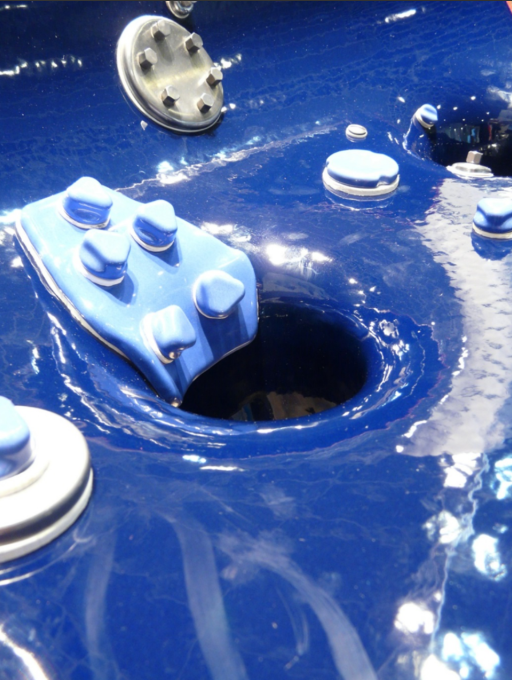
We supply and provide expert end-to-end support for stirred tanks, glass-lined reactors, and ceramic filtration systems, helping businesses achieve maximum efficiency and reliability. From equipment selection to process optimization, our team ensures every solution is tailored to your specific industry needs.

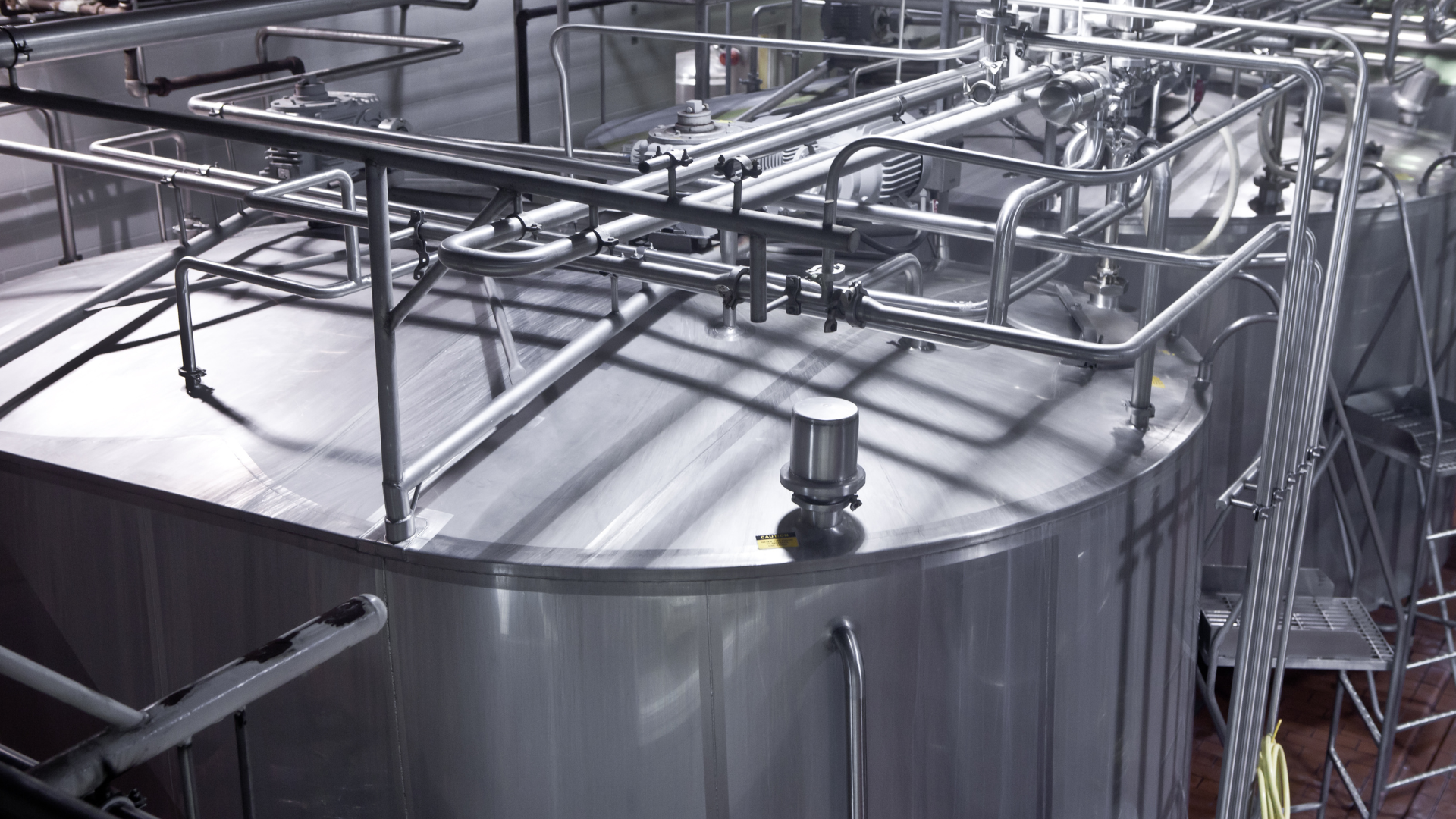
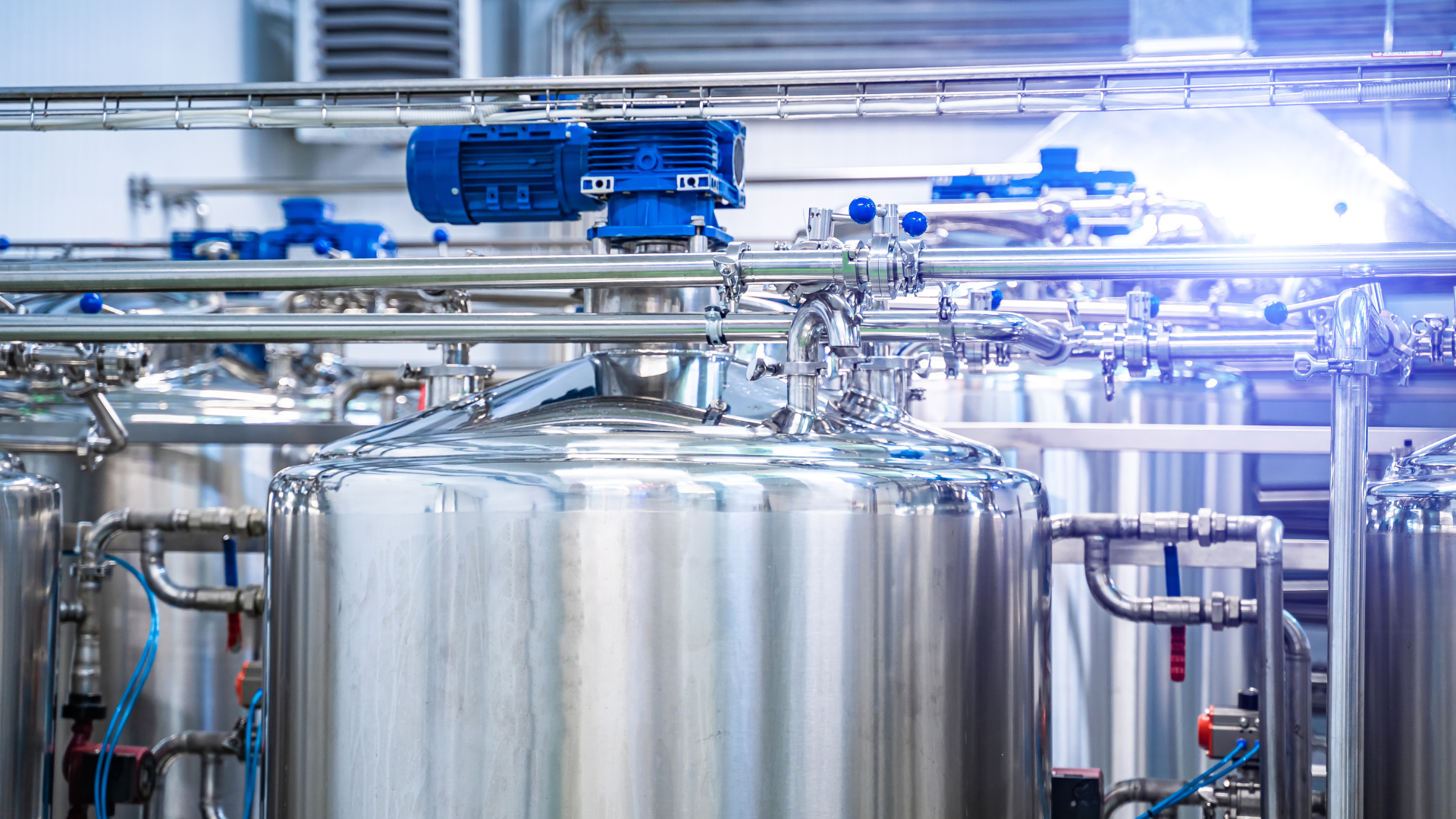
A large stainless steel tank in a factory with pipes coming out of it

We are committed to industry excellence and continuous professional development through our affiliations with leading organizations.

ZAIN Industrial Affiliations

A factory with a lot of stainless steel tanks and pipes.

Your Expert Source for Stirred Tanks, Reactors & Ceramic Filters

ZAIN is an expert and trusted source for stirred tanks, glass-lined reactors, and ceramic filters, delivering reliable equipment supported by expert insight. From industrial mixing to process optimization, we provide solutions tailored to your needs. By combining durable products with technical expertise, we help you achieve efficiency, compliance, and long-term cost savings.

Features
✓ Trust ✓ Expertise
✓ Accuracy ✓ Experience
✓ Confidentiality ✓ Professional

Explore Our Comprehensive Mixing Guides

Enhance your process performance with our detailed guides. Choose from two categories below:


Mixing Guides

  • Static Mixing Guide: Learn best practices for inline mixing applications.
  • Dynamic Mixing Guide: Discover essential insights into agitator-based mixing systems.

Mixing Equipment Guides

  • Static Mixing Equipment Guide: Find expert advice on selecting and installing static mixers in piping systems.
  • Dynamic Mixing Equipment Guide: Get practical tips on choosing and sizing dynamic agitators and related hardware.


Use the buttons below to access each guide and take your mixing process to the next level.

Some of Our Satisfied Clients

Join our growing list of satisfied clients, including:

BluWave
BP
BT Mix
Butamax
LEK
DuPont

ZAIN's Latest Blogs

Optimizing Viscosity and Flow Rate in 2-Component Static Mixers for Adhesives and Sealants
January 29, 2026
Why Viscosity and Flow Control Matter in 2-Component Mixing In the adhesives and sealants industry, the performance of a two-component material depends not only on the chemistry of the formulation but also on how effectively it is mixed and dispensed. Viscosity and flow rate play a critical role in determining whether a static mixer can produce a homogeneous, repeatable blend without excessive pressure or material waste. From low-viscosity acrylics to high-viscosity silicones and urethanes, each material presents unique challenges that must be addressed through proper mixer selection. Optimizing these variables ensures consistent curing, predictable mechanical properties, and efficient application. For manufacturers, applicators, and engineers, understanding this relationship is essential to achieving reliable results.  Two-component disposable static mixers are designed to handle a wide range of viscosities, but not all mixers perform equally across every material type. Choosing the wrong mixer geometry can lead to incomplete mixing, excessive backpressure, or slow dispense rates that reduce productivity. When viscosity and flow are properly matched to the mixer design, users benefit from smoother dispensing, reduced waste, and improved bond performance. This optimization is especially important in applications such as sealing, potting, gasketing, and structural bonding, where material consistency directly impacts durability and long-term reliability.
Advancements in Dental Impression Materials and Restoratives with 2‑Component Disposable Static Mixe
January 21, 2026
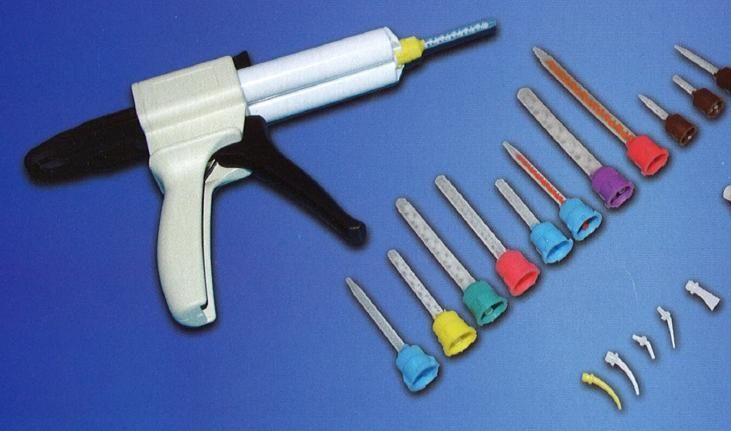
Why Precision Matters in Dental Applications In dentistry, the accuracy of material mixing directly affects clinical outcomes, patient comfort, and procedural efficiency. Two‑component materials such as impression silicones, resin cements, and dual‑cure restorative systems require precise, bubble‑free blending of a base and catalyst to ensure predictable physical properties and dimensional accuracy. Disposable static mixers provide a controlled way to combine these components as they are dispensed, removing the variability of manual mixing and ensuring consistency every time. This leads to improved patient outcomes, reduced waste, and streamlined workflows in both clinical practice and dental laboratories. Dental static mixers also eliminate cross‑contamination risks by being single‑use and sterile , which is critical in infection‑control protocols.  Dental practitioners rely on static and hybrid static/dynamic mixers to blend impression materials, restorative composites, adhesives, and cements accurately. Devices like the PacDent iMix Static/Dynamic Mixer combine the benefits of static and dynamic mixing to reduce bubbles and improve material uniformity—a key quality factor in high‑precision dental work.
Precision in Structural Bonding and Crack Repair Using 2‑Component Static Mixers
January 15, 2026
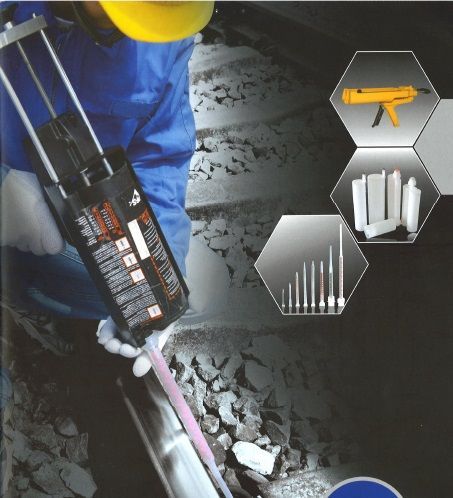
Why This Matters for Construction and Adhesives Professionals In heavy‑duty environments like construction and structural assembly, achieving a reliable, high‑strength bond with two‑component adhesives is essential for safety, longevity, and performance. Disposable static mixers are central to this process, enabling contractors, engineers, and applicators to dispense epoxies, polyurethanes, and other reactive materials with minimal air inclusion and consistent component blending . Static mixers accomplish this by combining the resin and hardener in a controlled manner as they pass through a series of fixed elements, resulting in a homogeneous mixture. This precise blend ensures that adhesive strength and curing properties meet specifications every time. Zero‑defect bonds and predictable mechanical properties are non‑negotiable in load‑bearing applications, and the right mixer plays a vital role in achieving them. Construction professionals rely on static mixers for tasks such as concrete crack injection, anchoring systems, bonding composite rebar, and filling voids in structural elements . Modern static mixer designs reduce waste, improve worker efficiency, and ensure repeatable results across multiple jobs. According to Nordson’s 2‑component mixers, disposable spiral and square mixers are engineered to deliver complete and thorough mixing of two‑part materials while eliminating entrapped air, which can weaken cured adhesives.

Frequently Asked Questions

Discover everything you need to know about ZAIN Industrial—from our high-performance stirred tanks, reactors, and ceramic filters to expert support that helps you optimize processes and achieve long-term efficiency.

  • Who is ZAIN Industrial?

    ZAIN Industrial is a leading expert in industrial mixing solutions. We specialize in providing consulting services, Mixing tanks and reactors as well as Field Services.

  • What does glass lining inspection involve?

    We perform visual inspections to identify cracks or chips, spark (holiday) testing to detect micro-defects, and thickness measurements to check for wear or erosion. We compile all results in a maintenance log for long-term tracking and compliance.

  • How often should inspections be conducted?

    We recommend annual inspections as part of your preventive maintenance program. Some high-use or corrosive-process systems may require check-ins every 6 months to avoid unexpected failures.

  • What repair methods do you offer?

    Minor defects can often be fixed with on-site patch plugs, sleeves, or PTFE repairs. For severe wear or damage, we offer full reglassing services that restore vessels to like-new quality while often reducing cost compared to full replacement.

  • Can seals and agitator components be checked during inspection?

    Yes. Our inspections cover agitator shafts, drive seals, baffles, nozzle connections, and gaskets. We'll identify worn or corroded elements and recommend replacements or adjustments to avoid further liner damage .

  • Is your inspection service compliant with safety regulations?

    All services comply with OSHA confined-space entry, lockout/tagout, and process safety protocols. We document every step to support regulatory requirements such as FDA or cGMP audits.

  • What is the timeline for inspection and repair?

    Standard on-site inspections with minor on-site repairs can be completed within a day or two. If reglassing is needed, total turnaround is typically several weeks, significantly faster than sourcing new equipment .

  • Can a vessel be refurbished rather than replaced?

    Yes—if the steel substrate is in sound condition, reglassing is often the most cost-effective solution. It restores full functionality at around 60‑70% of the cost of new equipment and preserves existing infrastructure .

  • When is a reactor not a candidate for repair?

    If the steel shell has advanced corrosion, structural damage, or if capacity needs changes, replacement may be preferable. Our inspection report includes a technical recommendation to guide decision-making.

Reach Out or Visit Us Now!